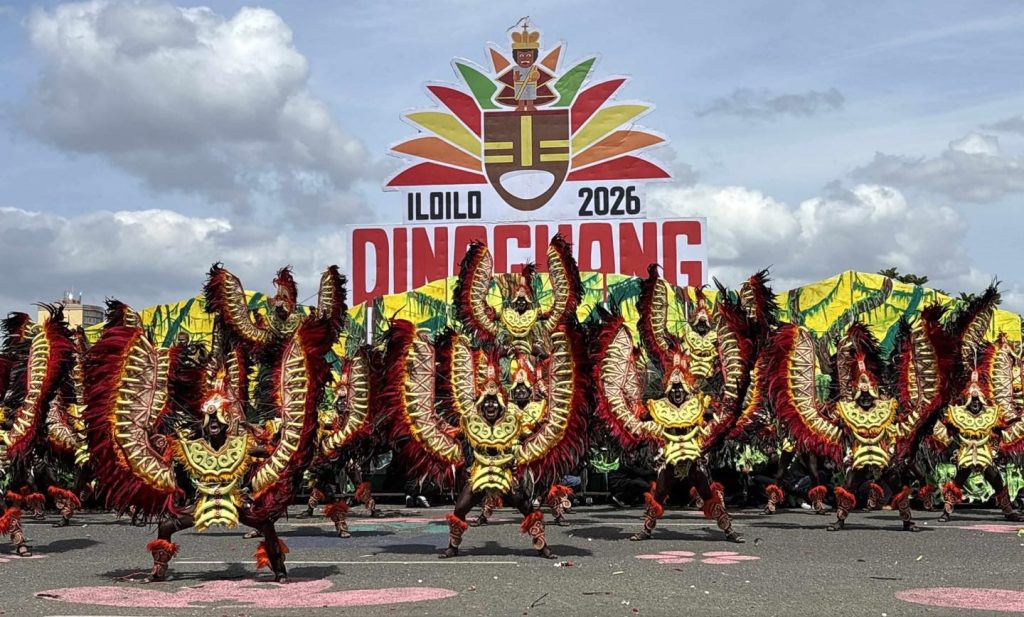
Festival celebrations are vibrant cultural practices shaped by the people who carry them on and the realities of their time. As societies change, so do the ways festivals are celebrated. Shifts in technology, demographics, and social values affect how traditions are expressed. This often leads to celebrations that look different from those of previous generations. These changes usually reflect a community’s effort to keep its festival relevant and meaningful, rather than signaling loss.
One of the most noticeable changes is the end of certain old practices that are no longer practical or inclusive. Some traditions may have been expensive, unsafe, or harmful to the environment, leading communities to reconsider their continuation. In other cases, customs based on outdated beliefs may no longer fit with present-day values. Letting go of these elements allows festivals to evolve responsibly while still honoring their main purpose.
Modern influences also reshape festivals through new ways of participation and expression. Digital media, contemporary music, and modern performances have been added to traditional programs, drawing in younger generations who might otherwise feel disconnected. These innovations help keep interest alive and ensure that the festival remains a shared experience across age groups, rather than just a static reenactment of the past.
Importantly, change does not mean a total loss of heritage. Communities often keep essential symbols, stories, and rituals while changing how they are presented. This balance between preservation and adaptation helps festivals maintain their cultural identity while responding to current needs. The essence of the celebration lives on, even as its outward form transforms.
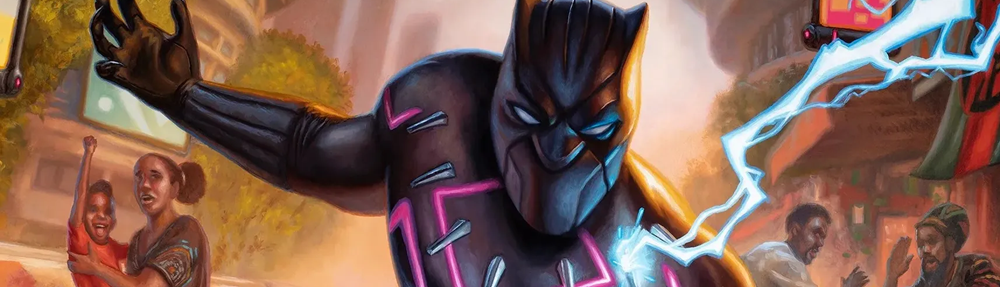
*banner headline image from the Daily Guardian.
Ultimately, the evolution of festival celebrations shows cultural resilience. By ending certain old traditions for the community’s benefit, festivals become more inclusive, sustainable, and relevant. Change ensures that these celebrations continue to bring people together, not just as a memory of the past, but as a meaningful part of present and future communal life.