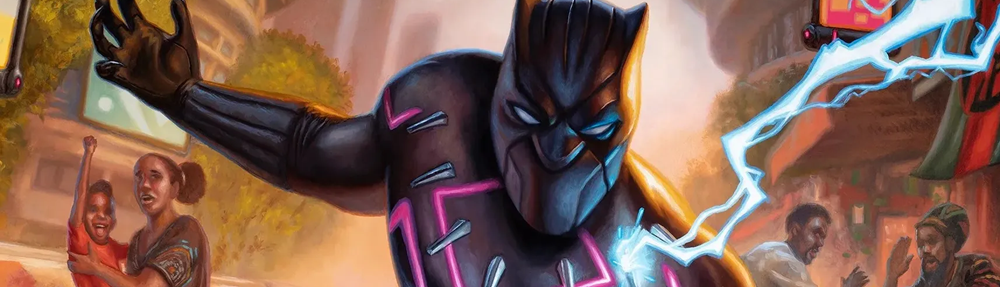
In a MTG Standard format where incremental advantages often decide games by turn five or six, low-cost engines that scale over time are at a premium. Michelangelo, Weirdness to 11 slots perfectly into that role, offering early board presence and a compounding +1/+1 counter effect that turns modest plays into exponential threats. For players eyeing a dedicated counters shell, this is the kind of two-drop that quietly defines archetypes rather than simply supporting them.
If you played the Pro Tour Lorwyn Eclipsed and didn’t come away thinking about the Magic: the Gathering Standard Harmonizer, you probably weren’t paying attention. The deck wasn’t just good, it was structurally sound in a way that rewards tight play and smart tuning.
In competitive Magic: the Gathering, we obsess over removal, sweepers, and hate cards, but too many players forget the other side of the equation: protecting what actually wins the game. Creature-protection spells often look reactive or “cute” on paper, yet in the right metagame, they swing entire matches.
After a major Magic: the Gathering event, the metagame rarely stays the same. Decklists get published, breakout strategies become popular overnight, and players begin tuning specifically to beat what just won. If you want to stay competitive, sideboarding isn’t just about swapping cards: it’s about adapting intelligently to a shifting battlefield.
The trading card hobby works best when cards move freely between players, collectors, and stores. Lately, that balance has been strained. Hoarding and scalping have become common talking points, especially around new releases and limited products. While both behaviors are often defended as “just part of the market,” they create real problems that ripple through the hobby and push people away.
In a competitive event, mulligan decisions matter more than most players want to admit. You can play tight, know your matchups, and still lose games before turn one because you kept a hand that never had a real plan. At the same time, over-mulliganing is a quiet way to give away percentage points, especially across a long tournament. The goal isn’t to chase perfect hands. It’s to recognize when an opening seven actually wins games in the matchup you’re playing.