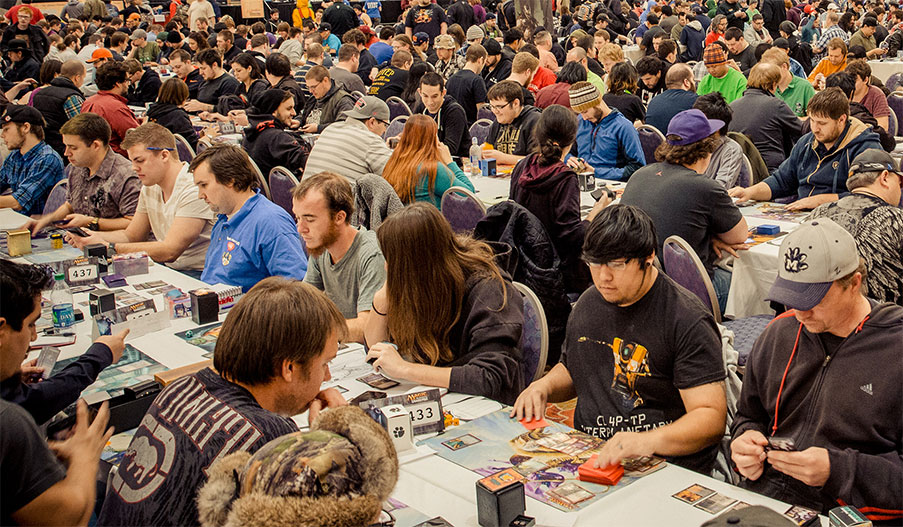
Walking into my first Magic: The Gathering tournament felt heavier than shuffling a sixty-card deck. I had only been playing for a short time, and this was my first real event. Tables were packed, players spoke in shorthand I barely understood, and everyone seemed confident in a way I wasn’t. I didn’t come with expectations of winning. I came because I loved the game, and I wanted to see what it felt like to play it the way I watched others do.
I still remember the first time I faced a dedicated land destruction deck back in the early days of Magic: the Gathering: it felt less like a game and more like being slowly locked out of one. Turn after turn, my lands disappeared before I could even cast the spells in my hand. That experience left a lasting impression and quickly taught me that land destruction was not just a gimmick, but a brutally effective strategy in its time.
In the world of Magic: The Gathering, few combos are as infamous and delightfully cruel as Illusions of Grandeur paired with Donate. It’s a strategy that flips the idea of generosity on its head — by giving your opponent something that will ultimately destroy them. Originating from classic blue control decks in the late 1990s, this combo remains one of the most iconic examples of how clever card interactions can lead to instant victory.
From a judge’s perspective, a well-written and properly prepared decklist in Magic: The Gathering is more than just a formality—it’s a vital part of tournament integrity and player organization. A clear and accurate list ensures fair play, prevents confusion, and helps avoid unnecessary penalties or disputes during events.
As a competitive Magic: the Gathering player, staying on top of the best deck builds is just as important as mastering your gameplay. The meta shifts constantly—new sets, bans, and sideboard tech can change everything overnight.
In competitive Magic: The Gathering gameplay, having reliable spot removal in your maindeck isn’t just important—it’s essential. You can’t afford to sit back and hope your opponent doesn’t stick a threat you can’t answer.