

The current Standard metagame in Magic: The Gathering has become increasingly defined by explosive turns and game-ending sequences that can occur with little warning. While Standard has always featured powerful cards and archetypes, recent environments have pushed efficiency and damage output to a point where many matches feel decided by a single turn rather than a series of meaningful decisions.
As a result, players are experiencing (and, in my personal experience of the gameplay), a format that often rewards immediate lethality over long-term planning and strategic adaptation.
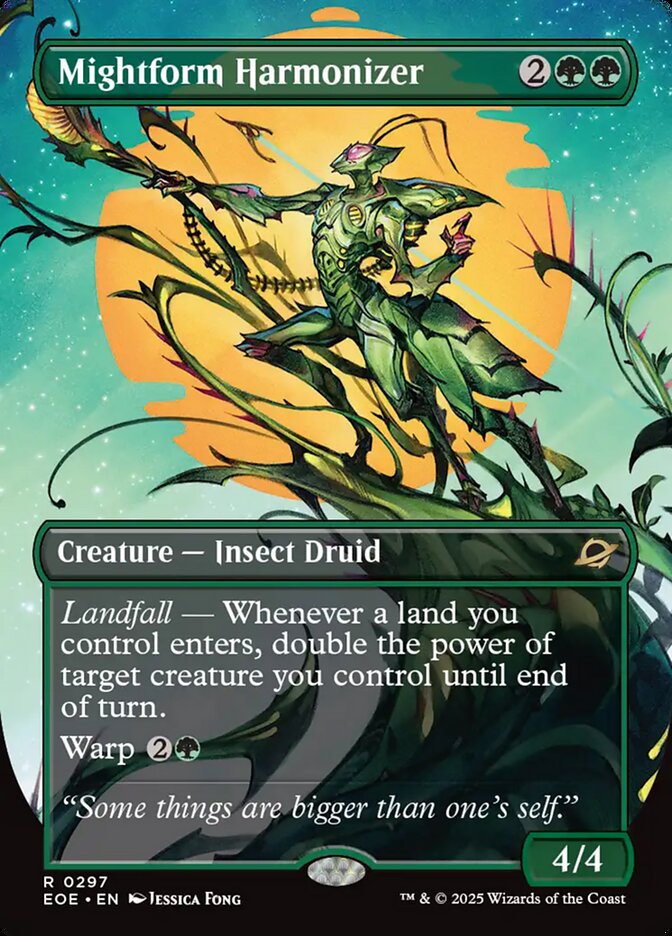
One of the biggest concerns is the prevalence of “one-hit gameplay,” in which a player can suddenly convert a stable board state into victory through temporary buffs, triggered abilities, or synergistic interactions. Games that appear balanced for several turns can abruptly end when one player assembles a critical sequence. This creates situations where opponents feel they have little opportunity to respond, even if they have navigated the early and mid-game successfully.
The increasing efficiency of threats has also reduced the importance of incremental advantages. Historically, Standard rewarded players who carefully managed resources, traded cards efficiently, and gradually established battlefield control.
In the current metagame, however, accumulating small advantages often matters less than simply surviving until a decisive combo-like turn arrives. This shift can make games feel repetitive, as players focus on assembling the same lethal patterns rather than adapting to evolving board states.
Another issue is the pressure this environment places on deck construction. Players frequently feel obligated to include highly specific answers or instant-speed interaction to avoid sudden defeats. Decks that cannot effectively respond to explosive turns may find themselves pushed out of competitive play regardless of their overall strategic merit.
As a result, diversity within the format can suffer, with many players gravitating toward a small group of proven archetypes capable of either delivering or preventing these devastating swings.
The spectator experience can also be negatively affected. Some of the most memorable Magic matches involve back-and-forth exchanges, resource management, and difficult decision-making over many turns.
When games are regularly determined by a single explosive sequence, much of that tension disappears. Rather than showcasing strategic depth, matches can sometimes resemble races to execute a predetermined game plan before the opponent does the same.
For newer players, the environment can be particularly frustrating. Learning the fundamentals of combat, sequencing, and resource management becomes more difficult when games end abruptly through interactions they may not fully understand.
A format that heavily emphasizes sudden lethality can create a steep learning curve, making losses feel less educational and more arbitrary. This may discourage players who are seeking a more interactive and accessible competitive experience.
While powerful cards and exciting finishes are an important part of Magic’s identity, a healthy Standard format benefits from balance between explosive moments and meaningful interaction.
Many players hope future sets and balance adjustments will encourage longer games, greater archetype diversity, and more opportunities for strategic decision-making. Standard is often at its best when victories are earned through a series of well-executed choices rather than a single overwhelming turn, and restoring that balance could improve both competitive play and overall player enjoyment.
Thanks for reading.