

One of the simplest but most important decisions in Magic: The Gathering deckbuilding is deciding how many copies of a card to include. For budget players, this decision matters even more because buying four copies of every card can quickly become expensive.
Knowing when to play three or four copies lets you spend your limited budget on the cards that matter most to your deck’s strategy.
When a card is essential to your deck’s game plan, playing four copies is usually the better choice. This applies to cards that you want to see consistently, such as your main threat, key removal spell, or an important combo piece.
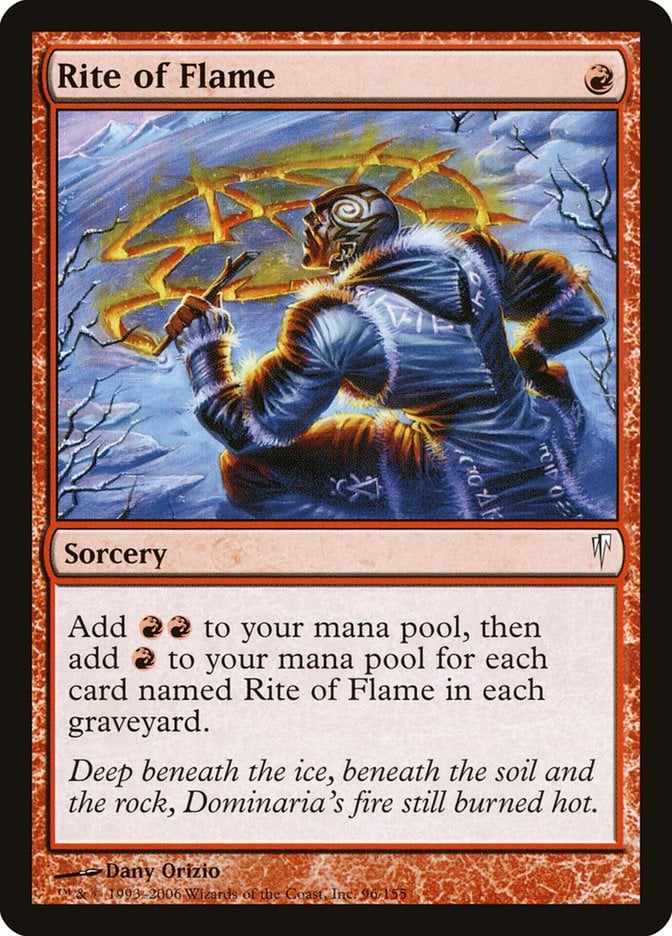
If your deck is built around a particular card and your strategy weakens when you don’t draw it, maximizing copies increases your chances of finding it during a game. Even if the fourth copy costs a little more, it can be a better investment than spending that money on cards that have a less important role.
Playing three copies can be appropriate when a card is useful but not something you necessarily want to draw in every game. Perhaps it is powerful in certain situations, but having multiple copies in your opening hand could be awkward.
This is common with expensive cards, legendary permanents, situational answers, or cards that become less useful when drawn in multiples. For budget players, running three copies can also be a practical way to reduce the cost of a deck while maintaining most of its consistency.
Another factor to consider is your deck’s curve and redundancy. If you already have several cards performing similar functions, you may not need four copies of each. For example, a deck might use three copies of one removal spell and four copies of another because the second card is more flexible.
Similarly, if your deck has multiple creatures that fill the same role, you can distribute your copies instead of automatically playing four of everything. This approach can make a budget deck more efficient without sacrificing its overall game plan.
Ultimately, the decision between three and four copies should come from testing rather than a strict rule. Play the deck several times and pay attention to which cards you consistently wish you had more of and which ones sit in your hand.
If you frequently find yourself saying, “I wish I drew this card,” consider increasing it to four copies. If you regularly draw multiples and feel that they are unnecessary, three copies may be enough.
For budget MTG players, smart deckbuilding is not simply about owning the most expensive cards—it is about making every card count. Four copies should generally be reserved for cards that are central to your strategy, while three copies can provide flexibility for powerful but situational cards.
Learning this distinction can save money, improve consistency, and help you build stronger decks with the collection you already have.
Thanks for reading.