
For many longtime players, it can feel like Magic: The Gathering is getting older along with its audience. Wizards of the Coast’s own demographic data shows that the average tabletop Magic player is now around 35 years old, a noticeable increase from earlier years.
However, this does not necessarily mean that young players are disappearing—it often means that many players who started in the 1990s and 2000s simply never stopped playing.
One reason for this trend is the game’s incredible retention rate. Unlike many hobbies that people leave behind after high school or college, Magic players frequently remain active for decades.
Hasbro has stated that the average player tenure is more than five years, while community discussions regularly include players in their 40s, 50s, and even 60s who still attend local game stores and events. The rise of Commander has also helped older players stay engaged because it emphasizes social play, collection building, and long-term deck customization rather than constant competitive grinding.
Another factor is that Magic has become more complex and expensive over time. New sets contain more mechanics, wordier cards, and deeper interactions than many older products, which can make the game intimidating for younger newcomers. Community discussions often point to “complexity creep” and rising costs as barriers to entry compared to more accessible hobbies or competing trading card games. As a result, many younger players gravitate toward digital games, while older players with established collections and disposable income remain heavily invested in the game.
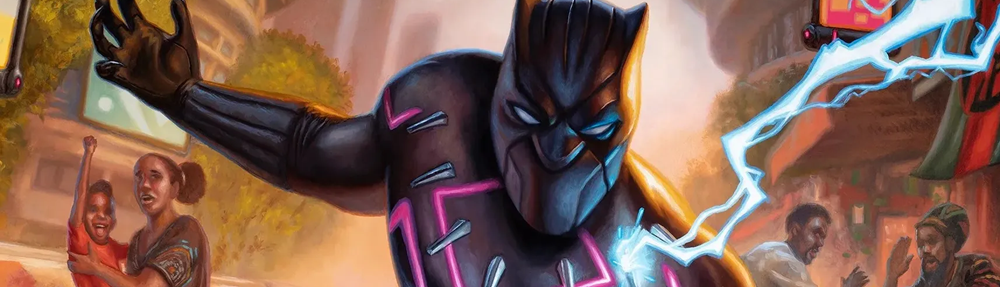
At the same time, the idea that Magic is only for older players is somewhat misleading. Wizards has stated that its typical new player is still in the 11–14-year-old range, and recent crossover products such as Marvel, Spider-Man, Avatar: The Last Airbender, and Teenage Mutant Ninja Turtles are clearly designed to attract younger audiences and new fans.
The difference is that Magic has become increasingly multi-generational: teenagers are joining the game, but many existing players are aging into their 30s, 40s, and beyond without leaving.
In reality, Magic may be less of an “old people game” and more of a lifelong hobby. Few tabletop games can claim a player base that spans from middle school students to retirees, yet Magic continues to do exactly that. The game’s challenge for the future is not retaining older players—it already does that exceptionally well—but ensuring that new generations continue to discover the game and find a welcoming path into the hobby.
Thanks for reading.