

The rise of Universes Beyond has marked one of the most significant shifts in Magic: the Gathering’s history, bringing well-known franchises into the game’s mechanical ecosystem. While these crossover sets have undeniably expanded Magic’s audience, they have also sparked ongoing debates about competitive balance—especially in Standard and Commander.
The question many players now ask is not whether Universes Beyond belongs in Magic, but how its design choices affect gameplay integrity across formats with very different expectations.
In Standard, Universes Beyond cards often arrive with pushed designs meant to showcase iconic characters and moments. This can lead to cards that are highly efficient, flexible, or mechanically dense, making them immediate contenders in competitive decks. When balanced well, these cards refresh the metagame and introduce new archetypes; when pushed too far, they risk warping Standard around a small pool of must-play threats. As a result, Standard players closely scrutinize crossover cards for rate efficiency, resilience, and how easily they slot into existing shells rather than encouraging genuine deck diversity.
In Commander, the balance of discussion shifts from raw efficiency to social and experiential impact. Universes Beyond legends are frequently designed to be splashy, synergistic, and build-around-friendly, which naturally makes them attractive commanders. However, these designs can sometimes accelerate power creep by compressing multiple effects into a single card, reducing the need for creative deck construction. While many playgroups welcome these commanders for their flavor and novelty, others feel that they can overshadow older legends or homogenize gameplay when their value engines are too consistent.
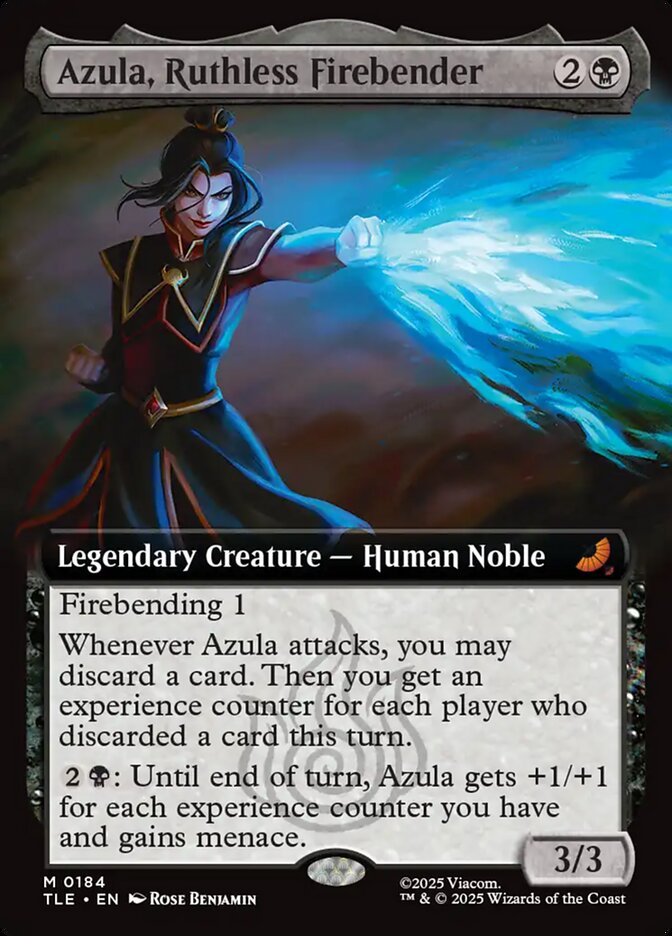
Another layer of complexity lies in thematic and mechanical expectations. Universes Beyond cards often introduce mechanics tailored to express the source material, which can feel fresh but occasionally sit outside Magic’s traditional mechanical pacing. In Standard, this can manifest as unusual play patterns that challenge established answers, while in Commander, it may create commanders that scale too efficiently in multiplayer settings. Balancing flavor authenticity with long-term format health remains a delicate task for designers.
Ultimately, Universes Beyond has demonstrated that crossover content can coexist with Magic’s competitive formats, but only with careful tuning. For Standard, the priority remains maintaining a healthy rotation where no single crossover set dominates deck construction.
For Commander, the challenge is preserving the creativity and variety of decks while embracing new legends. As Universes Beyond continues to expand, its success will depend on thoughtful design that respects both competitive balance and the diverse ways players enjoy the game.
Thanks for reading.