
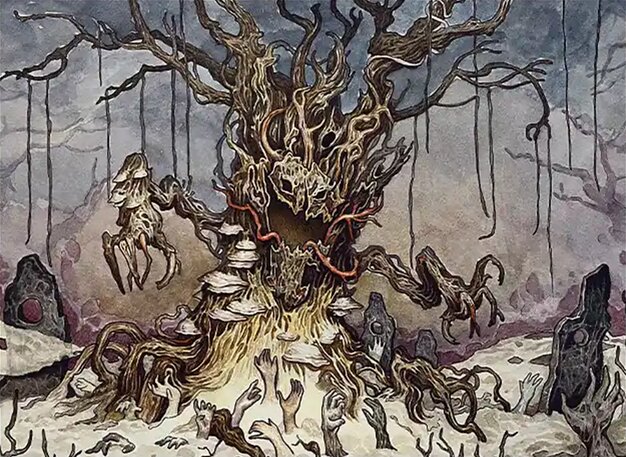
When a new Magic: The Gathering set is released, identifying the strongest Orzhov (white–black) cards starts with understanding what the color pair traditionally excels at. Orzhov is defined by efficient removal, life-drain engines, sacrifice synergies, and attrition-based gameplay. Cards that reinforce inevitability—through incremental value rather than explosive turns—tend to age well across formats. Evaluating new releases through this philosophical lens helps filter out flashy but shallow options.
The first practical test is mana efficiency versus impact. Good Orzhov cards often do more than one thing for their cost: a creature that drains life when it enters, a removal spell that leaves behind a token, or an enchantment that taxes opponents while advancing your board. When previewing a card, ask whether it would still feel strong if the game goes long, because Orzhov decks are built to grind rather than race. If a card is overcosted for a single effect, it rarely survives competitive scrutiny.
Next, examine synergy density, especially with sacrifice, tokens, and graveyard interactions. Orzhov thrives when cards naturally feed into one another—fodder creatures, payoffs for death triggers, and recursive threats. A new card becomes significantly better if it plugs cleanly into existing shells rather than requiring an entirely new engine. Cards that are self-contained but also synergistic usually end up as staples.
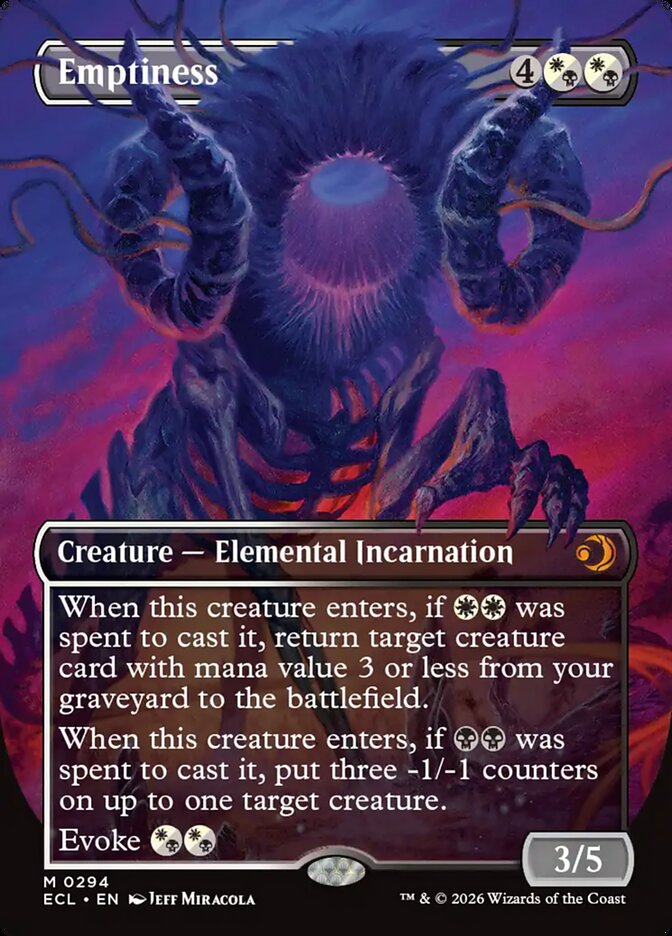
Another key factor is interaction quality and flexibility. Orzhov’s strength lies in answering almost anything, so new removal or disruption should be evaluated on range, timing, and downside. Spells that exile instead of destroy, bypass ward or indestructible, or scale into the late game deserve special attention. Versatile interaction often defines Orzhov’s relevance in Standard and beyond.
Finally, consider format context and win conditions. A strong Orzhov card should either stabilize the board, pressure life totals indirectly, or convert advantage into a clear path to victory. Cards that merely “do something” without closing the game tend to underperform. When a new set drops, the best Orzhov cards are usually the ones that quietly accumulate advantage—until the opponent realizes they can no longer catch up.
Thanks for reading.