Fast, Silent, Deadly: The Precision of Dimir Tempo in Today’s Standard Meta

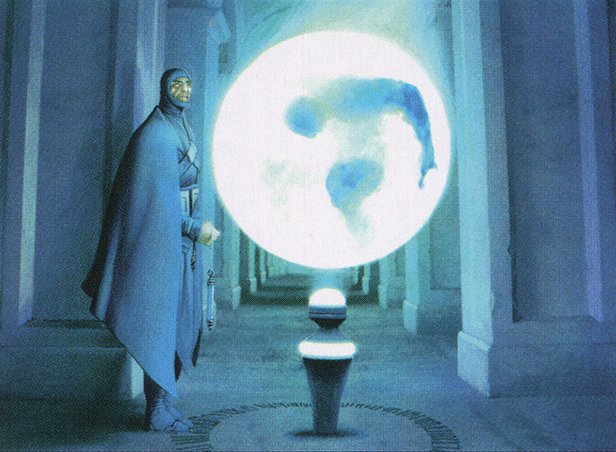
The Dimir Tempo deck in Standard is all about playing cheap, efficient threats backed by disruption to keep opponents off balance. The goal isn’t to overwhelm with raw power but to squeeze every ounce of value out of tempo plays—deploying an early threat like a cheap flyer or evasive creature, then protecting it while disrupting the opponent’s game plan. Unlike full-on control decks, Dimir Tempo doesn’t want the game to drag on forever; instead, it aims to close the door quickly once it gains an early lead.

Continue reading

Pick Two Draft—Will It Work for Competitive Magic: The Gathering Limited?

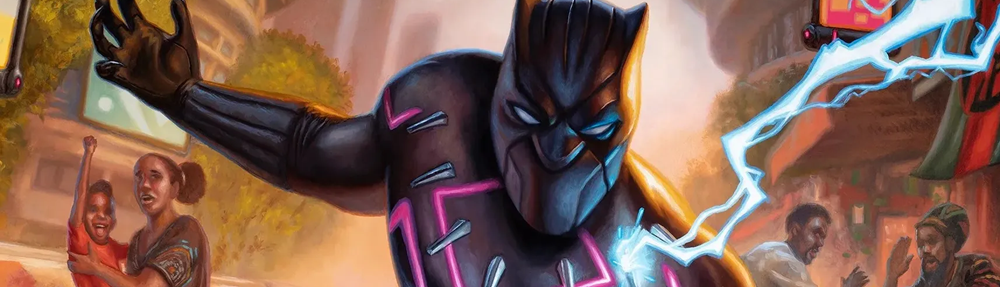
As Magic: the Gathering players, we’re always adapting to new mechanics, but Pick Two Draft from the upcoming Marvel’s Spider-Man set has raised more eyebrows than usual. Unlike traditional Limited, where you select one card per pack, this format has you pick two cards at a time.

Continue reading

How to Spot the Perfect Splash for Gruul Aggro Decks

The Magic: the Gathering Gruul Aggro thrives on speed and relentless pressure, but even the fiercest red-green builds sometimes need a little extra edge. That’s where splashing a third color comes in, adding tools that cover weaknesses or give the deck unexpected reach. The challenge lies in knowing which cards are worth the risk without sacrificing consistency.

Continue reading

Why Golgari Dredge Is Pauper’s Most Relentless Graveyard Engine

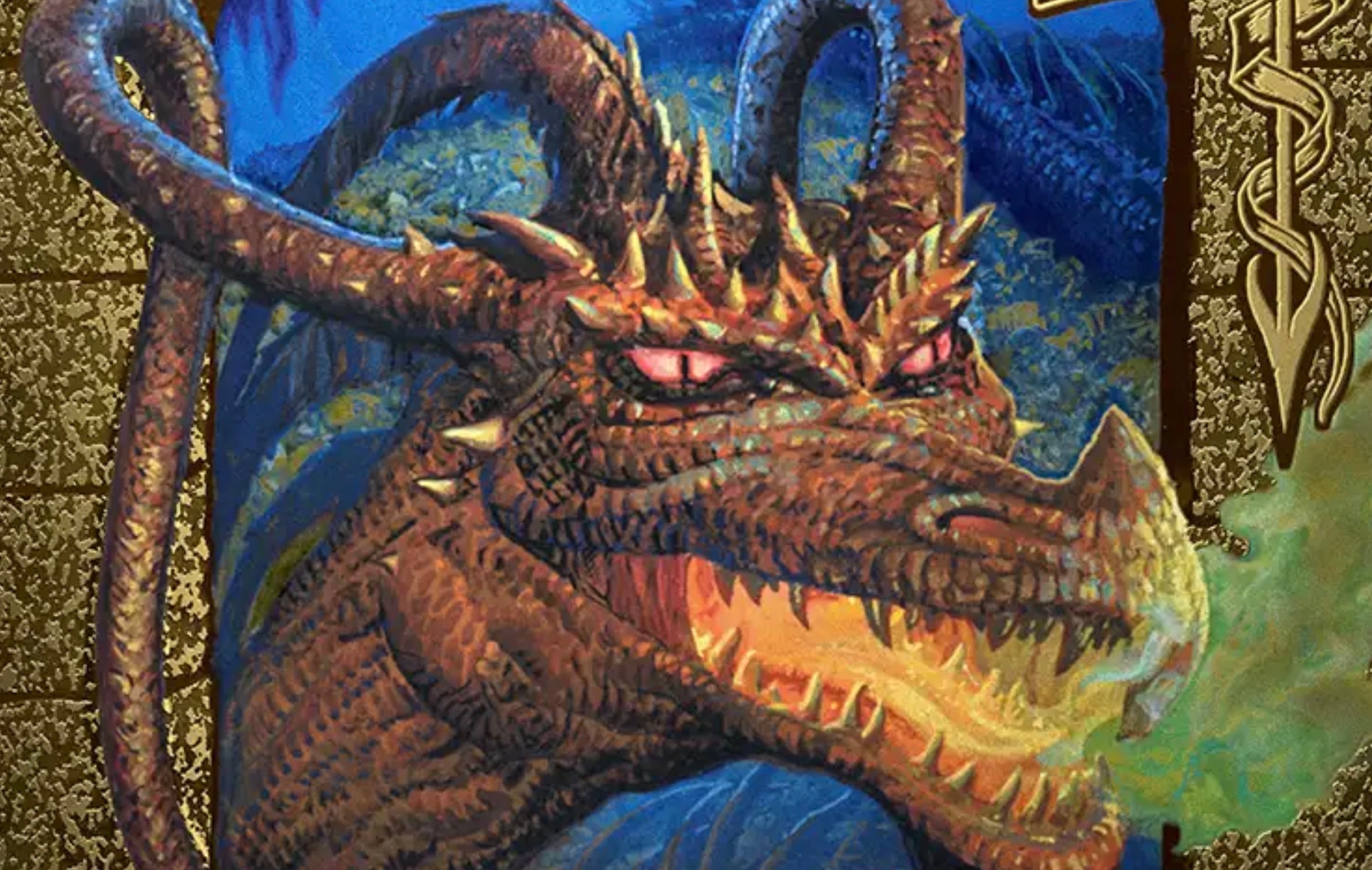
The Pauper Golgari Dredge, being one of the most popular deck archetypes in the format, is built around abusing the graveyard as a resource, treating it as an extension of the hand. The game plan revolves around filling the graveyard quickly with self-mill effects like Satyr Wayfinder and Malevolent Rumble, then turning that pile of cards into direct value.

Continue reading

Universes Beyond: How Crossovers Are Powering Magic’s Next Competitive Era

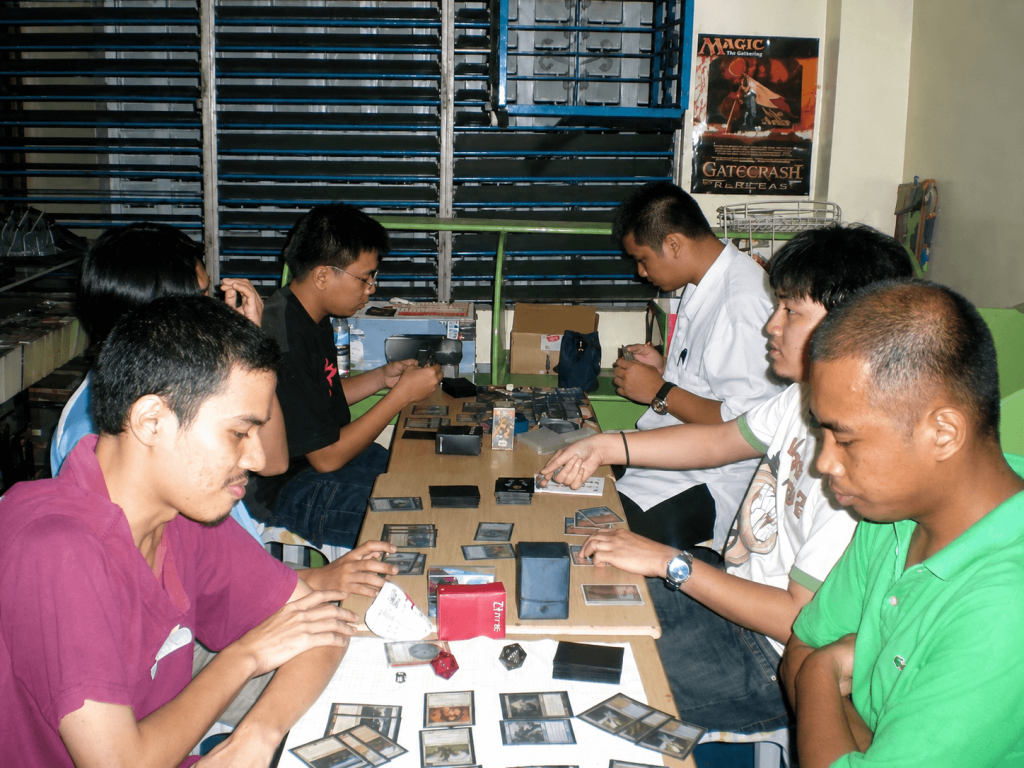
Magic: the Gathering has always thrived on strategy, depth, and constant evolution, but Universes Beyond is adding something entirely new to the mix: the cultural crossover appeal. By bringing in iconic franchises like Final Fantasy and Marvel, MTG isn’t just expanding its card pool; it’s expanding its player base.

Continue reading