
Sideboarding is one of the most important skills in competitive Magic: The Gathering, yet many players focus almost exclusively on low-cost interaction (though easy to cast) and efficient answers.
Continue reading
Sideboarding is one of the most important skills in competitive Magic: The Gathering, yet many players focus almost exclusively on low-cost interaction (though easy to cast) and efficient answers.
Continue reading
In Magic: The Gathering, sideboarding is often associated with impactful, game-changing cards, such as removal spells, countermeasures, or niche answers to specific matchups. However, one subtle yet strategic inclusion that many players overlook is the use of basic lands in the sideboard.
Continue reading
After a major Magic: the Gathering event, the metagame rarely stays the same. Decklists get published, breakout strategies become popular overnight, and players begin tuning specifically to beat what just won. If you want to stay competitive, sideboarding isn’t just about swapping cards: it’s about adapting intelligently to a shifting battlefield.
Continue reading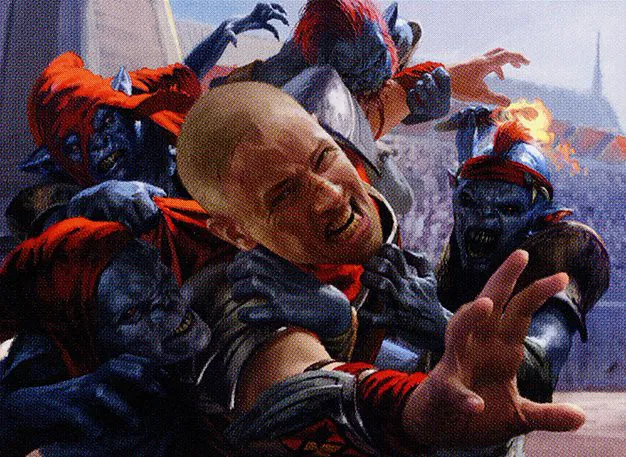
Mono Red has long been the deck of choice for players who want to end games fast and punish slow starts—but its dominance over Midrange decks isn’t just about early aggression. The true power of Mono Red lies in its sideboard gameplan.
Continue reading
Identifying the best multicolored cards for your Magic: The Gathering (MTG) sideboard list comes down to understanding your deck’s weaknesses, the expected metagame in your area or online platforms such as MTGO, and the specific utility of each card choice.
Continue reading
In Magic: The Gathering gameplay, aggro decks prioritize speed and efficiency, aiming to overwhelm opponents before they can stabilize. However, even the most aggressive decks can benefit from board control spells to maintain tempo, push damage through, and avoid getting outpaced.
Continue reading